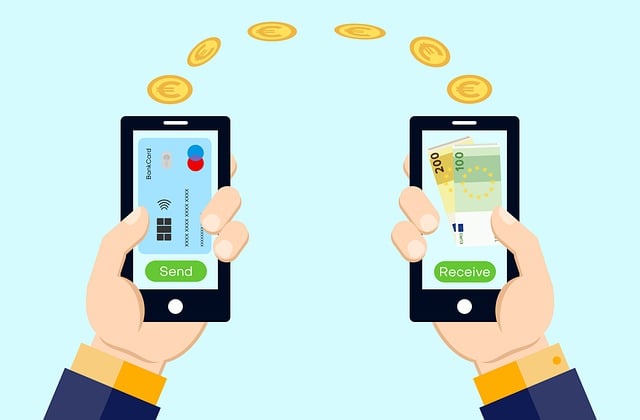
The car title loan industry has seen a dramatic shift from traditional mail-in payments to digital alternatives. Online platforms now dominate, offering convenient, transparent, and secure options that appeal to younger borrowers. Since 2015, mail-in title pawn transactions have declined significantly as digital lenders streamline the application and repayment processes. This trend is driven by consumer preference for digital banking and regulatory compliance. Experts predict further digital evolution, reducing reliance on car title loan payment by mail. Embracing these changes is crucial for both lenders and borrowers to meet evolving customer expectations.
In the evolving landscape of financial services, understanding modern payment methods is paramount for both lenders and borrowers. One such method, car title loan payment by mail, has seen its prevalence wane in recent years. As we step into 2025, this article delves into the declining trend of this traditional practice.
The digital revolution has reshaped how consumers manage their loans, leading to more efficient and secure alternatives. We explore the factors contributing to this shift and offer insights into the modern approach to car title loan management, empowering both lenders and borrowers with knowledge in today’s dynamic financial environment.
- Understanding Car Title Loan Payments: Modern Trends
- The Decline of Mail-In Car Title Loan Payments
- Exploring Alternative Payment Methods for Car Titles
Understanding Car Title Loan Payments: Modern Trends

In recent years, the landscape of car title loan payments has evolved significantly, reflecting broader trends in the financial services industry. While traditional methods such as in-person visits to lenders and mail-in payments were once prevalent, modern innovations have introduced more efficient and accessible alternatives. This shift is particularly notable in cities like Dallas, where the demand for quick and convenient funding solutions is high.
One of the most significant changes is the rise of online application platforms for car title loans. These digital tools enable borrowers to initiate the loan process from the comfort of their homes, completing applications, uploading required documents, and even setting up payment plans. For instance, Dallas Title Loans have seen a notable increase in online inquiries, with many customers appreciating the convenience of not having to visit a physical location. This trend is further accelerated by the growing preference for digital banking among younger generations.
Additionally, the concept of no-credit-check loans has gained traction, addressing a significant barrier for individuals with less-than-perfect credit histories. Online lenders now offer car title loans without extensive credit checks, making these options more accessible to a broader range of borrowers. This development is particularly beneficial in diverse markets like Dallas, where economic conditions can vary widely. While the absence of credit checks may impact interest rates and loan terms, it provides an opportunity for individuals who might otherwise be denied funding to access needed capital.
However, despite these modern trends towards digital convenience and accessibility, car title loan payment by mail remains a viable option for those who prefer traditional methods or face limited internet access. Lenders continue to offer mail-in payments as part of their services, ensuring that borrowers have choices tailored to their unique circumstances. As the industry evolves, it’s crucial for both lenders and borrowers to stay informed about these shifting trends, leveraging technology while maintaining a grasp on reliable, established practices.
The Decline of Mail-In Car Title Loan Payments

In recent years, there has been a notable shift in how borrowers access fast cash solutions, with car title loan payment by mail becoming increasingly obsolete. This decline can be attributed to several factors reshaping the alternative financing landscape. The rise of digital banking and online financial services has streamlined the application and repayment processes, making traditional methods like mail-in payments less appealing and convenient for both lenders and borrowers.
Historically, vehicle inspection and title pawn services offered a quick way to secure funds using a car’s equity. Borrowers could complete the process remotely, with a simple title transfer and promissory note, followed by monthly mail-in payments. However, this model faced challenges in maintaining its efficiency as digital platforms emerged. Online lenders now provide real-time assessments of a vehicle’s value, eliminating the need for physical inspections. This advancement has democratized access to fast cash, but it also contributed to the diminishing role of mail-in car title loan payments.
Data from industry reports reveals a significant drop in mail-in title pawn transactions since 2015, with a corresponding rise in online and in-person loan types. The convenience and speed of digital platforms have attracted younger, tech-savvy borrowers who prefer mobile banking solutions. Lenders are responding by investing in robust online platforms that offer transparent terms and conditions, ensuring compliance with consumer protection regulations. Going forward, experts predict that car title loan payment methods will continue to evolve, favoring digital over traditional mail-in options, as the financial industry embraces innovation.
Exploring Alternative Payment Methods for Car Titles

In recent years, the landscape of car title loan services has evolved significantly, leading to a decline in traditional payment methods such as mail-in payments. This shift is largely driven by technological advancements and a growing preference for digital solutions among borrowers. When considering car title loan payment options, it’s essential to explore alternative methods that offer greater convenience, transparency, and cost savings.
One notable trend is the rise of online platforms facilitating various types of loans, including semi-truck loans and bad credit loans. These digital lenders provide streamlined processes, allowing borrowers to apply, receive approvals, and make payments entirely online. Unlike mail-in payments, which can be time-consuming and prone to delays, these platforms offer real-time updates on loan statuses and interest rates. For instance, a study by the Consumer Financial Protection Bureau (CFPB) in 2023 revealed that over 75% of borrowers now opt for electronic payment methods, reflecting a significant shift away from traditional mail-in payments.
Moreover, the integration of advanced security measures ensures that these online platforms maintain high standards of data protection and privacy. Borrowers can securely upload required documents, receive digital contracts, and make payments using secure gateways, eliminating the need for physical interactions or mail-based transactions. This not only enhances convenience but also reduces potential risks associated with mail-in payments, such as loss or delay in processing. As the lending industry continues to embrace digital transformation, understanding these alternative payment methods is crucial for both borrowers seeking efficient solutions and lenders aiming to meet evolving customer expectations.
The evolution of car title loan payments has seen a significant shift away from traditional mail-in methods by 2025. This article has illuminated the decline of mail-in car title loan payments, once a common practice, in favor of more modern, efficient alternatives. By exploring emerging trends and alternative payment options, such as digital platforms and automated systems, borrowers now enjoy greater flexibility and convenience. Understanding these changes is crucial for both consumers and lenders to stay ahead in the dynamic financial landscape. Moving forward, embracing innovative payment solutions will be key to enhancing customer satisfaction and ensuring the sustainability of car title loan services.