Car title loan payments by mail offer flexibility but pose risks to borrowers' credit reports. Delays and inaccuracies in verification can lead to late or missed payment recordings, negatively impacting credit scores. To mitigate these risks, borrowers should prioritize transparency with lenders, maintain detailed records, consider alternative repayment methods, and regularly review loan terms. Open communication and meticulous record-keeping are crucial for responsible borrowing and preserving financial health.
In the intricate landscape of financial services, understanding the implications of alternative payment methods is paramount, especially for those leveraging assets like car title loans. Among these options, Car Title Loan Payment by Mail has emerged as a practice with both benefits and potential pitfalls, particularly concerning credit reporting. This article delves into the intricacies of this arrangement, exploring how timely and accurate mail-in payments can either bolster or compromise an individual’s credit score and report. By the end, readers will grasp the significance of this issue and be equipped to make informed decisions.
- Understanding Car Title Loan Payment by Mail Process
- The Impact on Credit Reporting: What to Expect
- Navigating Risks: Best Practices for Borrowers
Understanding Car Title Loan Payment by Mail Process

Car title loan payments by mail have gained traction as a convenient method for borrowers to manage their debts. This approach involves sending in payments directly to a lender via postal services, offering flexibility and ease compared to digital transfers. However, the process is more intricate than it seems and can significantly impact a borrower’s credit report. Understanding this mechanism is crucial, especially when considering a loan extension or facing financial challenges.
The Car title loan payment by mail process begins with the borrower receiving an invoice detailing the amount due, including interest and fees. This invoice includes specific instructions on how and where to send the payment. The key aspect lies in ensuring that the title pawn (or vehicle valuation) remains current throughout this period. Late or missed payments can trigger penalties and negatively affect the borrower’s creditworthiness, reflected in their credit report. Lenders typically monitor these payments closely, as they are secured by the vehicle itself.
For instance, a study by the Consumer Financial Protection Bureau revealed that late payments on alternative loans, such as car title pawns, can lead to higher default rates and subsequent credit score drops. Borrowers should be aware that missing even one payment might prompt the lender to initiate repossession proceedings, which could result in significant financial setbacks. To mitigate these risks, it’s essential to maintain open communication with lenders and stay current on payments, regardless of the chosen repayment method.
The Impact on Credit Reporting: What to Expect
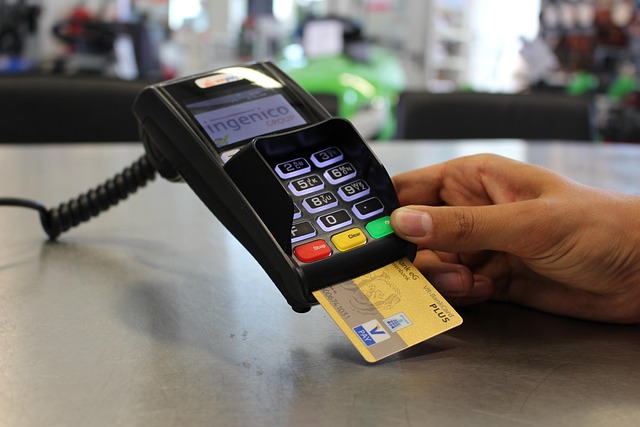
Car title loan payments by mail can significantly impact a borrower’s credit report and overall financial health. When a lender offers this repayment option, it typically indicates a flexible approach to catering to borrowers’ preferences. However, the convenience of mailing checks or money orders comes with consequences for credit reporting agencies. One key aspect to understand is that timely car title loan payments by mail may not always be reflected accurately in your credit history. This is because direct deposit transactions are often viewed as more secure and verifiable compared to traditional mail-in payments.
The issue arises from the fact that credit bureaus rely heavily on electronic data, including direct deposits, for updating credit reports. When a lender credits the borrower’s account via direct deposit, this information is seamlessly integrated into the borrower’s credit file. In contrast, mailed payments may take longer to process and verify. This delay can result in late or missing reporting of car title loan repayment activities, potentially impacting your credit score negatively. For instance, if a payment is sent by mail but not received on time due to postal delays, it might be recorded as a late payment or even a default, depending on the lender’s policies and the credit bureau’s criteria.
To mitigate these effects, borrowers should consider opting for direct deposit repayment options when available. Many lenders now offer this facility, ensuring that payments are reported accurately and promptly to credit bureaus. By choosing direct deposit, individuals can maintain a positive credit history associated with their car title loans. It is also advisable to keep detailed records of all mail-in payments, including tracking numbers or confirmation receipts, as these may be required to resolve any discrepancies in the future. Staying informed about one’s credit report and taking proactive measures can help borrowers navigate this aspect of car title loan management effectively.
Navigating Risks: Best Practices for Borrowers

Navigating Risks: Best Practices for Borrowers when Considering Car Title Loan Payment by Mail
For borrowers exploring financial options, particularly in the Houston area where vehicle ownership is high, car title loans have gained attention as a potential solution for immediate cash flow needs. However, the decision to facilitate these transactions through mail-in payments can introduce complexities and risks that are often overlooked. This practice, commonly associated with Car Title Loan Payment by Mail, requires careful consideration due to its impact on credit reporting and overall financial health.
One of the primary concerns is ensuring accurate record-keeping. When a borrower opts for mail-in payments, it creates a layer of distance between the lender and the actual payment receipt. This delay can potentially lead to errors in credit reporting if the loan service provider fails to verify timely transactions. For instance, late or missed payments might be reported incorrectly, affecting the borrower’s credit score and overall vehicle ownership status. Houston Title Loans, being a significant sector in this market, must uphold rigorous verification processes to combat such issues.
To mitigate risks, borrowers should prioritize transparency and direct communication with lenders. It is advisable to request detailed confirmation of receipt for each mail-in payment. Maintaining an organized record of these transactions can serve as evidence of responsible borrowing. Moreover, borrowers with bad credit looking into Houston Title Loans should consider alternative repayment methods where available, such as automated payments or in-person drop-offs, to ensure accuracy and maintain a positive financial footprint. Regularly reviewing loan terms and conditions is also crucial, allowing borrowers to anticipate potential penalties for late payments and stay proactive in managing their creditworthiness.
Car title loan payment by mail naturally impacts credit reporting, with both immediate effects and long-term consequences. Understanding this process is crucial for borrowers to navigate associated risks effectively. The key takeaway is that timely payments can enhance creditworthiness, while late or missed payments may negatively affect credit scores. By adhering to best practices, such as maintaining open communication with lenders and ensuring accurate record-keeping, borrowers can maximize the benefits of car title loan payment by mail. This strategic approach allows individuals to access needed funds while fostering positive credit reporting, ultimately promoting financial health and stability.